Measure the Movements That Matter
Sentra’s accelerometer systems bring precision, reliability, and intelligence to structural and industrial vibration monitoring. Designed for continuous operation in the toughest environments, our MEMS-based accelerometers transform raw acceleration data into actionable insights — helping engineers detect instability, assess performance, and extend the life of critical assets.
Accelerometer
LoRa communication for 15 km range.
Compatible with all leading manufacturers.
25 years of unattended operations.
Secure on-board storage.
Overview
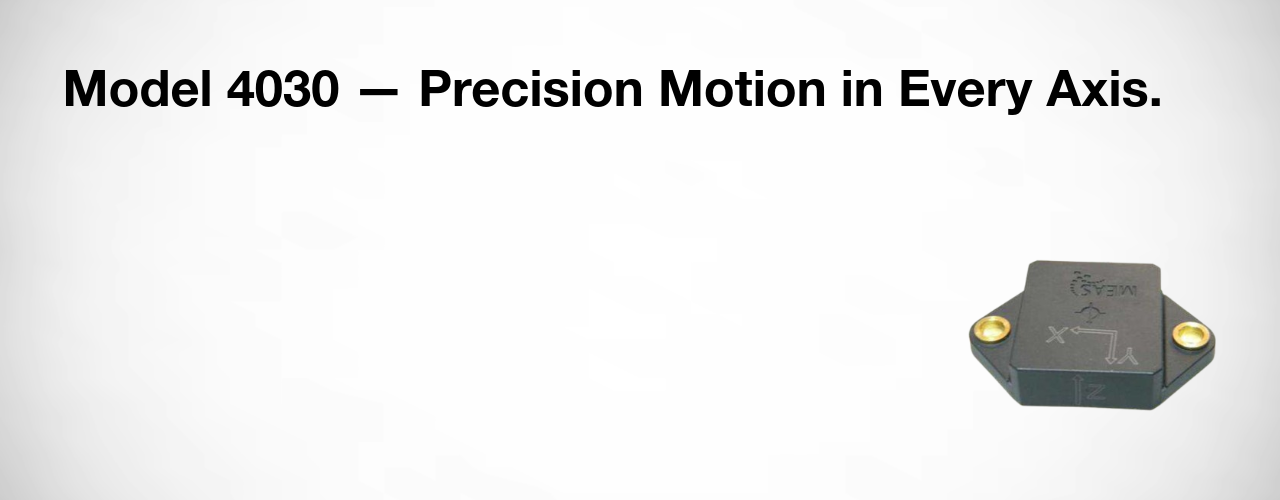
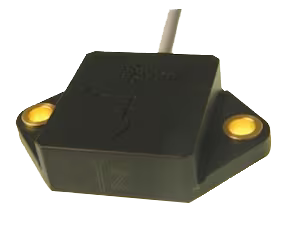
The Model 4030 Triaxial MEMS DC Accelerometer is engineered for precision measurement of acceleration, tilt, and low-frequency vibration across bridges, tunnels, buildings, and machinery. With ±2 g and ±6 g dynamic range options, it captures subtle and dynamic movements alike — from structural deflection to machine vibration. A rugged, molded nylon housing, brass mounting inserts, and a shielded six-conductor cable ensure durability and clean data transmission. Its integrated low-pass filter and self-test function make it ideal for permanent installations, laboratory tests, and smart infrastructure networks where reliability and verification matter most.
What's Included
Deployment-ready components and capabilities that make motion monitoring seamless from day one
- High-accuracy 3-axis MEMS accelerometer (±2 g / ±6 g)
- Pre-calibrated, low-noise signal output
- Wide excitation range (5 – 30 VDC)
- Shielded 6-core cable for clean data transmission
- Rugged IP65-rated housing with brass mounting inserts
- Integrated self-test and low-pass filter
- Compatibility with Sentra’s GeoNet data loggers and digital reporting systems
Why Choose Sentra for Structural Health Monitoring?
Reliable, actionable, and designed with the needs of infrastructure owners and engineering teams in mind.
Result-Driven Monitoring
Detect subtle motion, vibration, or settlement before they escalate into costly damage.
Engineered Accuracy
High-fidelity MEMS sensors deliver consistent, drift-free acceleration data.
Edge Intelligence
On-device algorithms and connected gateways ensure rapid event detection and reduced false alarms.
Actionable Reporting
Automated dashboards and integration-ready alerts streamline decision-making for asset managers and engineers.
Main technical specifications
| Sensor type | 3-axis MEMS accelerometer |
|---|---|
| Operation modes | PPV-based and MTVV-based |
| Sampling rate | 1000 Hz derived from a 4 kHz signal |
| Noise floor | 22.5 μg/√Hz |
| Original frequency band | 0.5 – 250 Hz |
| Power source | 1 × 3.6 V D-size replaceable battery |
| Data transmission | LoRa radio communications (ISM sub GHz) |
| Operating temperature | –40°C to +80°C |
| Wireless protocol | LoRaWAN |
| System configuration | Configuration via monitoring App or remotely using GNSS Edge + GNSS Cloud |
| PPV-based operation mode specifications | |
| Reported parameters | PPV (mm/s), Acceleration (m/s²), TPV, PVS (mm/s) |
| Range | 0–40 mm/s |
| Frequency output range | 1–250 Hz |
| MTVV-based operation mode specifications | |
| Reported parameters | LAeq (dB), Lpeak (dB), MTVV, VDV (m/s¹·⁷⁵) |
| Acceleration range | ±4g |
| Linear range | ±2g |
| Frequency weighting | Wm |
| Battery life estimations | |
| Reporting parameters | SPP / SPP+ |
| 10 min | 5 years / 10 months |
| 20 min | 9 years / 1.4 years |
Got Questions? We've Got Answers.
Sentra accelerometers capture acceleration, vibration, and tilt — offering a complete picture of how a structure or machine responds to dynamic loads, traffic, or seismic activity.
A precision capacitive MEMS element converts even the smallest accelerations into stable electrical signals. Internal filtering and temperature compensation ensure clean, drift-free measurements.
Yes. Sentra accelerometers integrate with GeoNet LoRa®, Cellular, Wi-Fi, and Satellite data loggers for long-range, low-power communication directly to your cloud dashboard.
The sensor operates on 5–30 V DC and consumes minimal power. When paired with Sentra’s low-power edge devices, the system can run autonomously for years with routine inspections only.
Absolutely. It’s designed for hybrid monitoring — combining acceleration data with strain, tilt, or displacement sensors to create a complete digital twin of structural behavior.
They are ideal for bridges, tunnels, buildings, industrial foundations, seismic stations, and smart city assets — anywhere precise vibration or motion tracking is critical to safety and performance.